Inside the partnership
How two project managers build Vireo Hardanger as one
Article details
Published 29 October 2026
Updated 29 October 2026
Reviewed by Dorota Pigiel Leal Project Manager
Key takeaways

Building a blueprint for future bio-LNG plants

  • Nordsol and Bright Renewables deliver Vireo’s first bio-LNG production plant in Hardanger, producing around 90 GWh annually.
  • A repeatable blueprint is the shared goal: two separate systems engineered to work as one installation.
  • Commissioning is planned for Q1 2027, with all bio-LNG supplied to Gasum under a long-term offtake agreement.
Introduction
Nordsol has partnered with Bright Renewables to deliver a bio-LNG production plant for Norwegian renewable energy developer Vireo in Hardanger, western Norway. For the project managers who are building the plant together, the project is about more than a single installation: from day one, they have set out to create a way of working that can be repeated. Nordsol delivers its Nordsol Core biomethane liquefaction system, while Bright Renewables supplies its PurePac biogas upgrading technology. Together, the integrated solution is expected to produce around 90 GWh of fossil-free bio-LNG annually from local salmon processing residues and poultry manure.
01 The goal is a blueprint

For the project managers who are building the plant together, the project is about more than a single installation: from day one, they have set out to create a way of working that can be repeated. Nordsol delivers its Nordsol Core biomethane liquefaction system, while Bright Renewables supplies its PurePac biogas upgrading technology. Together, the integrated solution is expected to produce around 90 GWh of fossil-free bio-LNG annually from local salmon processing residues and poultry manure.

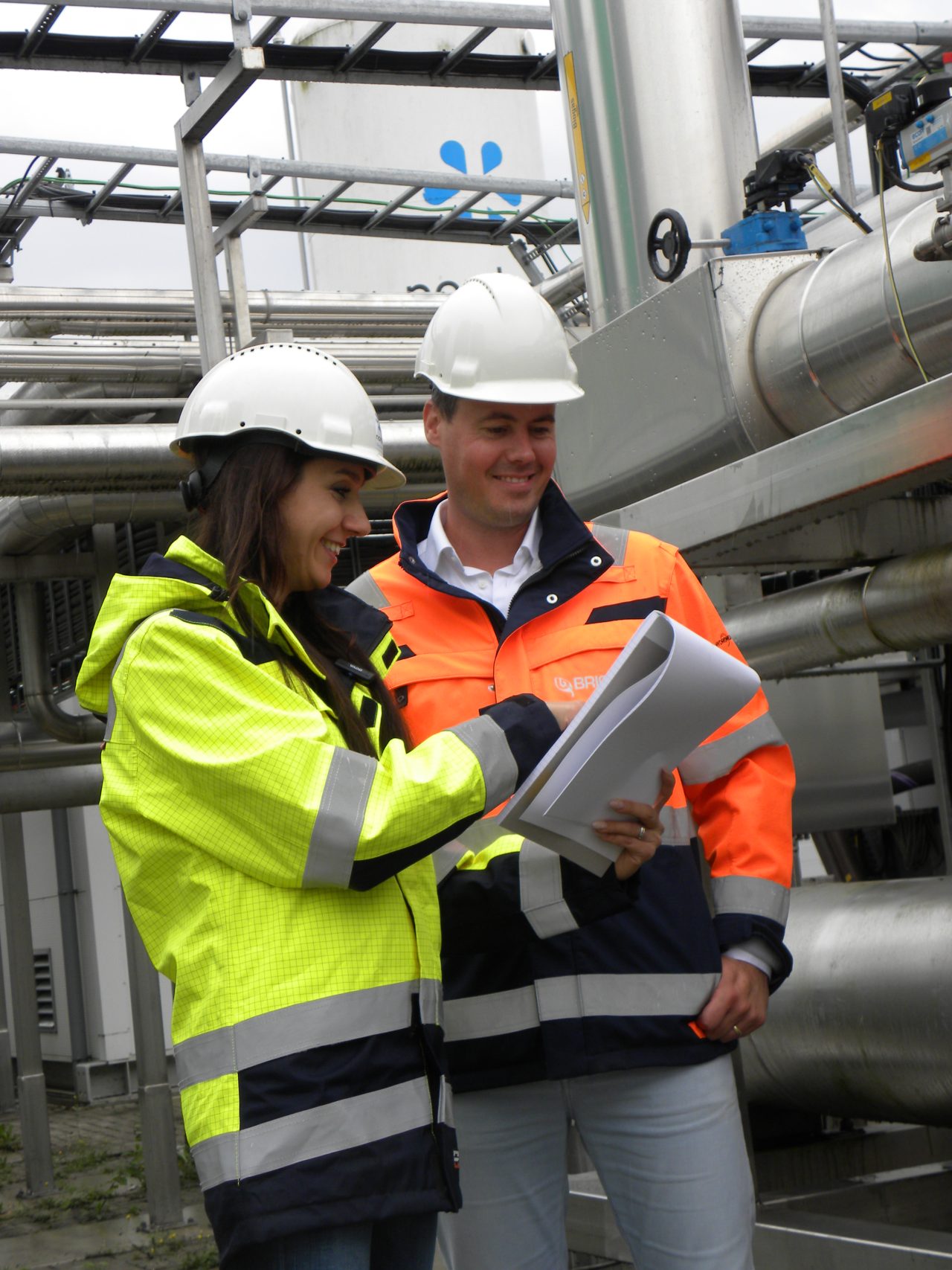
Hardanger is the first project on which Nordsol and Bright Renewables work together. The ambition has been high from the start. “Our goal is to create a blueprint,” says Dorota Pigiel Leal, Project Manager at Nordsol. “Not only a system that works this one time, but one that works for all the future projects.” That mindset shapes the atmosphere on the project. “It creates a different culture, one that fosters working together and building a product we are proud of together.”

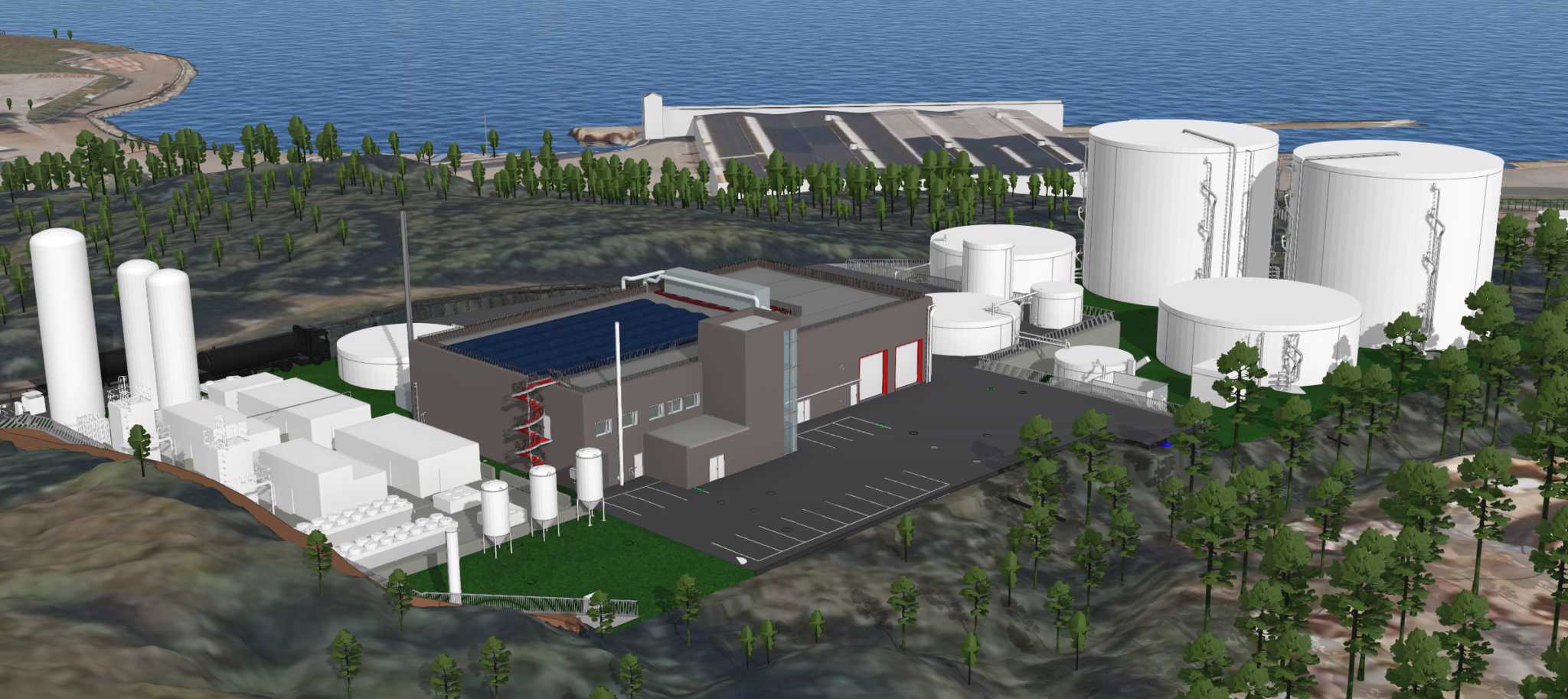
Vireo LBG plant with Nordsol technology in Hardanger, Norway
02 How to make two separate systems work as one

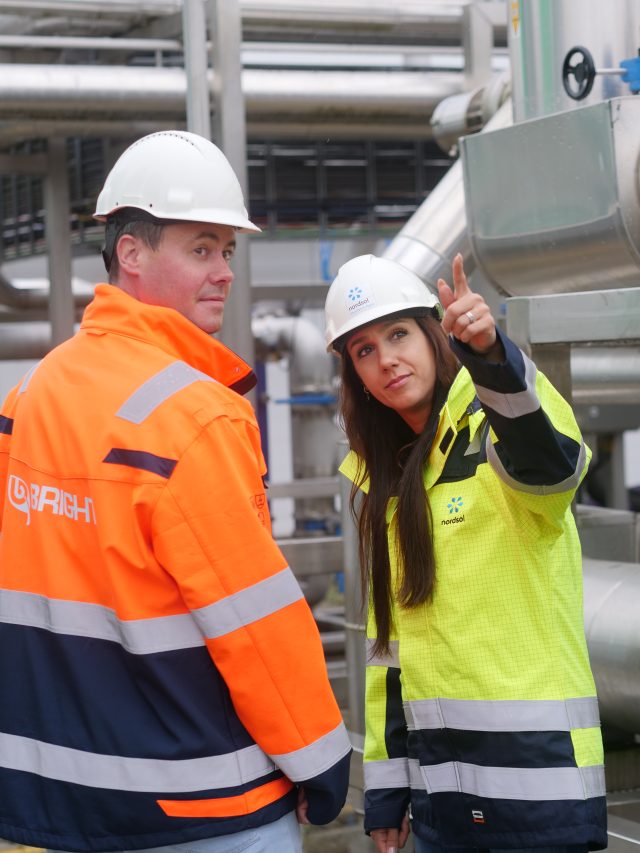
For Ruud Meulenbroek, Project Manager at Bright Renewables, the challenge is different from a typical upgrading project. “Normally we deliver the gas into the grid, and that is easy for us. Here we deliver to Nordsol and have to match their demand with our production. That requires a lot of engineering together beforehand.” His counterpart puts it more simply: “We are two separate systems that have to work together as one. That is where the challenge lies.”

The answer is to make both teams fluent in each other’s technology. “As engineers at Bright, we understand roughly how the Nordsol system works, and Nordsol understands roughly how the Bright system works,” Meulenbroek explains. “That has already yielded measurable results. We warn each other: is this going to be all right? Should we do something here? That has worked really well.”

The approach has been put to the test at the factory acceptance test for Hardanger, with the client attending in person. “The client joined the FAT, so they saw the installation not only when it is delivered to site, but while it is still in the factory,” says Pigiel Leal. “They know exactly what they will receive on site, and now we are ready to ship.” Meulenbroek adds: “The care and attention we have put in beforehand has resulted in an installation we can copy and build more of for other clients.”

Bio-LNG production in Wilp
03 An integrated solution: from biogas to bio‑LNG

The two companies bring complementary technologies to deliver a seamless production chain. Bright Renewables’ membrane upgrading converts raw biogas into high-purity biomethane continuously, without regeneration cycles. This biomethane feeds directly into Nordsol Core, which liquefies it into high-quality bio-LNG for heavy transport and maritime applications.

In Nordsol Core, liquefaction takes place in a swirl separator rather than in the heat exchanger, which protects the process against cold shocks and freeze-outs, ensuring reliable, continuous production and a simple start-up. Using biomethane as the refrigerant makes cooling energy-efficient, while a low equipment count keeps investment and operating costs down, resulting in a low total cost of ownership. The close integration of the two systems creates a compact and easy-to-operate solution for decentralised bio-LNG production.
04 From 125,000 tonnes of feedstock to 90 GWh LBG per year

The Hardanger plant is Vireo’s first bio-LNG facility. It is designed to process around 125,000 tonnes of organic feedstock per year, turning salmon processing residues and poultry manure into approximately 90 GWh of bio-LNG annually. The plant has been under construction since Q2 2025, with commissioning planned for Q1 2027. All bio-LNG produced will be supplied to Nordic energy company Gasum under a long-term offtake agreement. With Hardanger, the partnership is playing an active role in building out Norway’s bio-LNG infrastructure.

05 And what's next?

Ask the project managers where they see the partnership in five years, and the answers point the same way. “I hope we have done this many times over,” says Meulenbroek. “A lot of these sites, producing green bio-LNG.” Pigiel Leal agrees: “The goal of this first project is to create the template. I expect it to work perfectly as one system, and I want to see more and more of them all around the world.”

For Nordsol, the technology behind Hardanger is ready for the rapid scale-up of real-world bio-LNG production: plants using Nordsol technology have produced 20,000 tonnes of bio-LNG to date (October 2026). Collaboration is central to that scale-up, with partners such as Bright Renewables. Hardanger is the first plant we are building together.

Want to learn more about
this bio‑LNG plant?

Interested in more details about this project and our onsite bio-LNG production technology?
Rob is happy to tell you all about it.