- A constant biomethane supply exceeds low summer gas demand, creating local surpluses that distribution networks cannot always absorb.
- Unsold surplus gas risks being flared, wasting renewable fuel, and in some regions restrictions could stop plants being built at all.
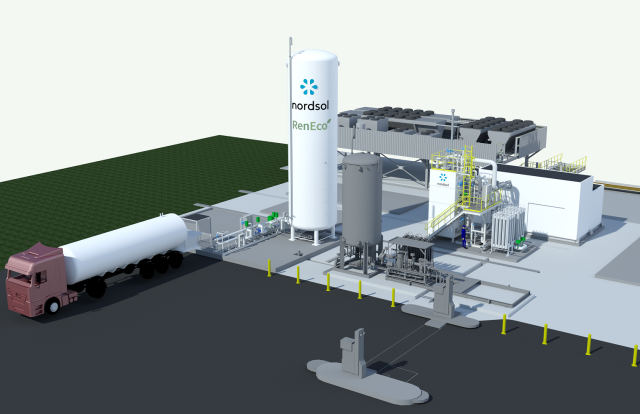
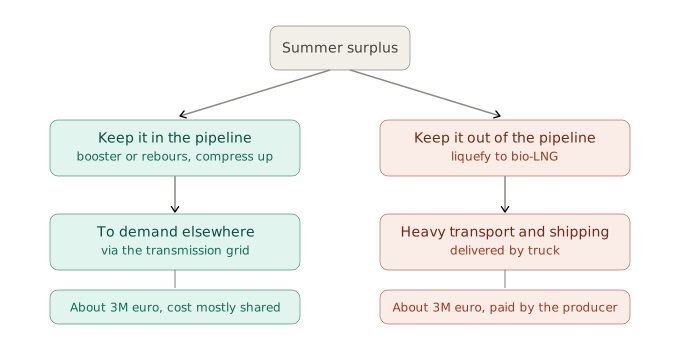
- Two routes solve this at comparable cost: grid boosters that compress gas up, or on-site liquefaction into bio-LNG.
- Funding, not merit, tips the balance: grid boosters are collectively funded, while producers pay for on-site liquefaction alone.
- Bio-LNG delivers a fossil-free fuel directly to heavy road transport and shipping, sectors that are hardest to electrify.
When the grid is full: where does biomethane go in summer?

Author
Remco Krul
Technology Marketing
Key takeaways
Two routes, comparable costs, unequal support
Introduction
A biomethane plant produces a fairly constant amount month after month. During the warmer months, households use very little gas. Nevertheless, a digester continues to operate, as the biological process behind biomethane does not stop simply because of the season. In summer, these two factors can diverge, and network operators are becoming increasingly open about what happens when that is the case. The question for every producer connected to a distribution network is a practical one: can all that biomethane be fed into the grid? And if not, what else can be done with it?
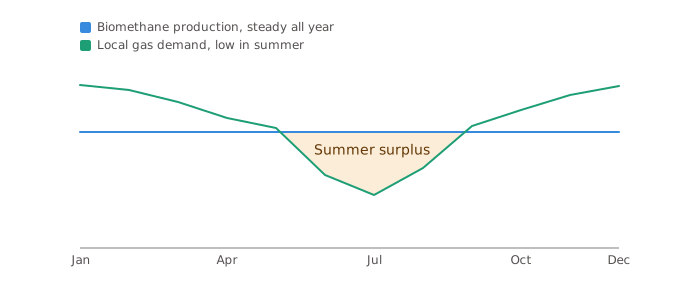
This is not a trivial concern. In Ireland, the gas network operator3 has determined that these restrictions could affect virtually all regional distribution networks outside urban areas, with flaring being the fallback option when the network is full. Without a solution, the operator warned, the restrictions would be so severe that many installations would never be built. Renewable gas that is never produced helps no one.
Frequently asked questions Two routes, comparable costs, unequal support
About this author
Remco Krul
Remco works at the crossroads of technology and marketing communication. Fueled by a passion for sustainability, he brings this expertise to a team that turns innovative ideas into practical solutions, showing what the energy transition in the transportation sector can already deliver.