Bio-LNG is a biofuel made by processing organic waste flows, such as organic household and industrial waste, manure, and sewage sludge.
What is bio-LNG and how is it made?
Dec 19 2023
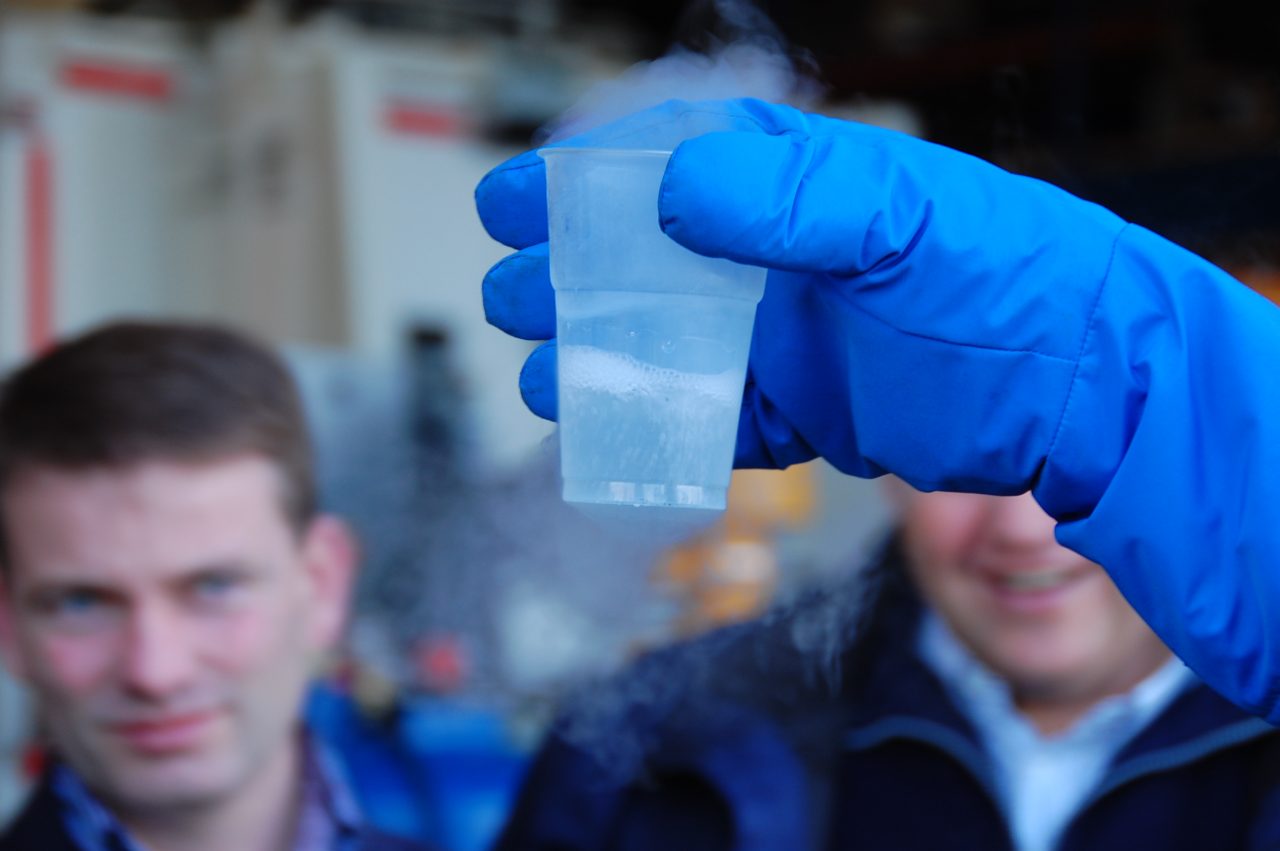
When anaerobic digestion of organic waste occurs, biogas is emitted in the process. The main components in this biogas are methane (CH4) and carbon dioxide (CO2). To make bio-LNG, the methane is separated from the carbon dioxide and other critical components, and then liquefied. This liquefaction process increases the energy density 600 times and makes the biofuel ideal for heavy-duty and maritime transport.
Bio-LNG is a practically carbon neutral biofuel. In addition to being a renewable replacement for LNG (Liquefied Natural Gas), bio-LNG also offers the advantages that LNG has over diesel., including:
- Reduced carbon dioxide emission
- Lower engine sound
- Lower nitrogen oxide emission
- Significantly less pm (particulate matter) emission
Well-to-wheel, the GHG emissions balance of bio-LNG can be even negative, depending on the choice of feedstock, whether or not the carbon dioxide is reused, and the energy consumption of the entire process from waste to fuel. In plants with Nordsol technology, the captured carbon dioxide is liquefied for reuse, so it is not released into the atmosphere.
Bio-LNG is sometimes called liquefied biomethane (LBM) or liquefied biogas (LBG). These are three different names for the same product. So where do these names come from?
LNG stands for liquefied natural gas. Natural gas is composed of about 95% methane, whereas LBM and bio-LNG are composed of about 99,8% methane. Therefore, technically the name liquefied biomethane is a good description of the product. However, as this liquefied biomethane is a biofuel for LNG engines and used to replace fossil LNG, the name bio-LNG is the most commonly used name.
Bio-LNG is composed of methane. When methane is burned, carbon in the form of CO2 is emitted and released into the atmosphere. So what’s the difference with a fossil fuel?
Using fossil fuels releases carbon that has been locked up in the ground for millions of years, while using bio-LNG emits carbon that is part of the biogenic carbon cycle. In other words, fossil fuel use increases the total amount of carbon in the atmosphere, while the use of bio-LNG simply returns the carbon that was absorbed from the atmosphere as the plants grew. So, when assessing the carbon intensity of a fuel over its complete life cycle, the source of the fuel is a critical factor.

Learn how biogas producers significantly enhance both the ecological and economic value of their biogas through bio-LNG production, utilising Nordsol’s innovative biogas liquefaction technology.
The energy required to produce the fuel contributes to its carbon intensity, especially if the energy does not come from renewable sources. In the production of bio-LNG from biogas, these emissions can be compensated by capturing and reusing CO2 from the biogas during the same process. As mentioned before, biogas is composed of methane and CO2. To produce bio-LNG, methane is separated from the CO2. By capturing and liquefying the CO2, and reusing this biogenic CO2 in the industry to replace CO2 from fossil sources, bio-LNG becomes carbon neutral. In fact, over its complete lifecycle (well-to-wheel ) bio-LNG can even result in negative carbon emissions.

Not all bio-LNG is the same. In addition to the production process described above, which produces fossil-free bio-LNG directly next to the digester, there are other production routes. These routes use gaseous or liquid fossil methane that is “greened” with biomethane certificates, to produce mass-balanced or greened LNG. While these routes accelerate the scaling up of the bio-LNG market, the use of this method is not sustainable in the long term due to its reliance on fossil methane.
Bio-LNG is essential for the long-haul transport sector to become more sustainable. With the Nordsol technology, small-scale bio-LNG production directly next to the biogas installation is economically viable. Bio-LNG production from biogas enables the next step in a journey towards profitable innovation and sustainability.
- A better valuation of biogas without government subsidies
- Independence from gas grid limitations
- An opportunity to create a local, circular supply chain
- Additional green value through carbon capture and reuse (CCR)
Your own, onsite bio‑LNG plant. High tech, turnkey.
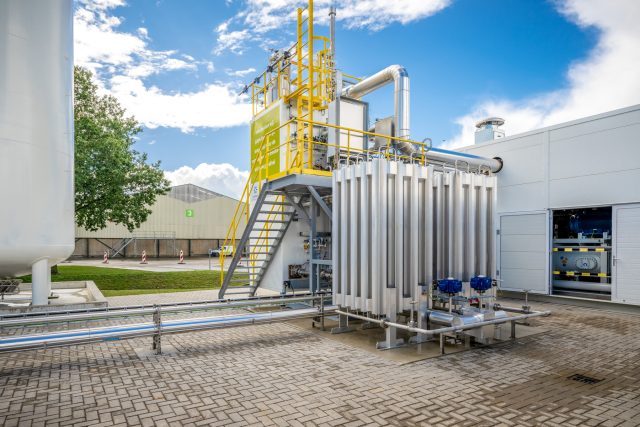
We will guide you. Every step of the way. You can rely on our technical, operational, and strategic expertise and support. Together, we make decentralised, small-scale bio‑LNG production a reality. Onsite, right next to your biogas installation(s). Using advanced technology, it operates fully automated, without requiring staff.
Let’s build you a plant (or two). Our approach
Bio‑LNG is now! It’s the solution for maritime and long‑haul road transport. Nordsol leads the way with cutting‑edge technology to convert your biogas into bio‑LNG. It boasts the lowest CO2 emissions in the industry, making it a frontrunner in reducing environmental impact.
- Small-scale onsite bio-LNG production
- Lowest total cost of ownership
- Easy to operate, unmanned plants
- Independence from gas grid connections
business opportunity.
Want to know if producing bio-LNG out of your biogas is profitable?
Let's explore together. Take our quick scan or contact Niels now.